

Barming Pre-School and Primary School
Parents' Information
Supporting Children with ADHD
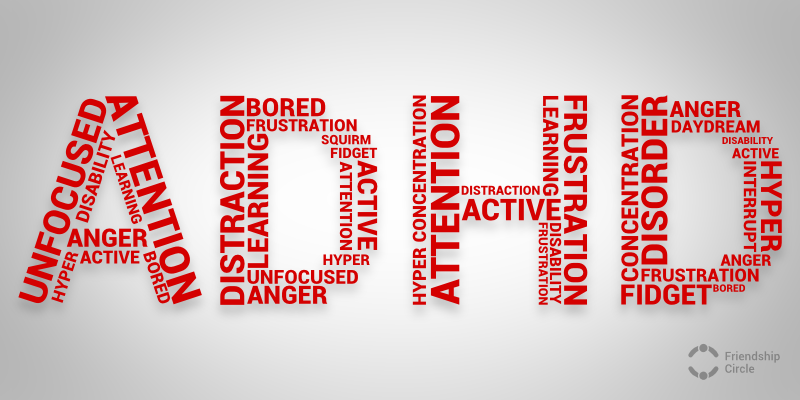
Almost every child or young person will have times when their behaviour appears to veer out of control. Other times are characterised by "daydreaming" or an inability to complete a task.
For some children, these occurrences are more than frequent: so much so that daily routines and everyday tasks are disrupted, as are the relationships with those around them. In fact, impulsive behaviour could put themselves and others at risk of harm.
What is ADHD?
ADHD stands for Attention Deficit Hyperactivity Disorder.
Attention deficit hyperactivity disorder (ADHD) is a condition that affects people's behaviour. People with ADHD can seem restless, may have trouble concentrating and may act on impulse.
Symptoms of ADHD tend to be noticed at an early age and may become more noticeable when a child's circumstances change, such as when they start school.
Most cases are diagnosed when children are under 12 years old, but sometimes it's diagnosed later in childhood.
People with ADHD may also have additional problems, such as sleep and anxiety disorders.
Symptoms of ADHD:
The symptoms of attention deficit hyperactivity disorder (ADHD) can be categorised into 2 types of behavioural problems:
- inattentiveness (difficulty concentrating and focusing)
- hyperactivity and impulsiveness
Inattentiveness (difficulty concentrating and focusing)
The main signs of inattentiveness are:
- having a short attention span and being easily distracted
- making careless mistakes – for example, in schoolwork
- appearing forgetful or losing things
- being unable to stick to tasks that are tedious or time-consuming
- appearing to be unable to listen to or carry out instructions
- constantly changing activity or task
- having difficulty organising tasks
- Hyperactivity and impulsiveness
The main signs of hyperactivity and impulsiveness are:
- being unable to sit still, especially in calm or quiet surroundings
- constantly fidgeting
- being unable to concentrate on tasks
- excessive physical movement
- excessive talking
- being unable to wait their turn
- acting without thinking
- interrupting conversations
- little or no sense of danger
These symptoms can cause significant problems in a child's life, such as underachievement at school, poor social interaction with other children and adults, and problems with discipline.
For more information, please click on the link below:
If you have a child with ADHD or suspect your child has ADHD, please discuss your situation with friends, family, educational people or medical professions.
Books


Websites:
Useful Apps include:
app – daycape (for daily visual planning)
app – emergency chat (to use during a meltdown when verbal processing is difficult)
app - www.socialnavigatorapp.com (a social skills app, you can type in the current dynamics of
the social situations and gets tips and strategies to use)
app – MoodPanda (track your mood and develop insight into your own emotional regulation)
app – Breathe2relax (stress management tool that includes practical exercises)
app – Calm (mediation and sleep stories)
app – Headspace (guided meditation)
app – Brain in hand (helping people manage daily routines and emotions)
NB: apps come and go off stores, so the apps above may not always be available.