
Barming Pre-School and Primary School
Help with School Refusal
Help with School Refusal
Information below is taken from the following website: https://www.theschoolrun.com/coping-school-refusal
What is school refusal?
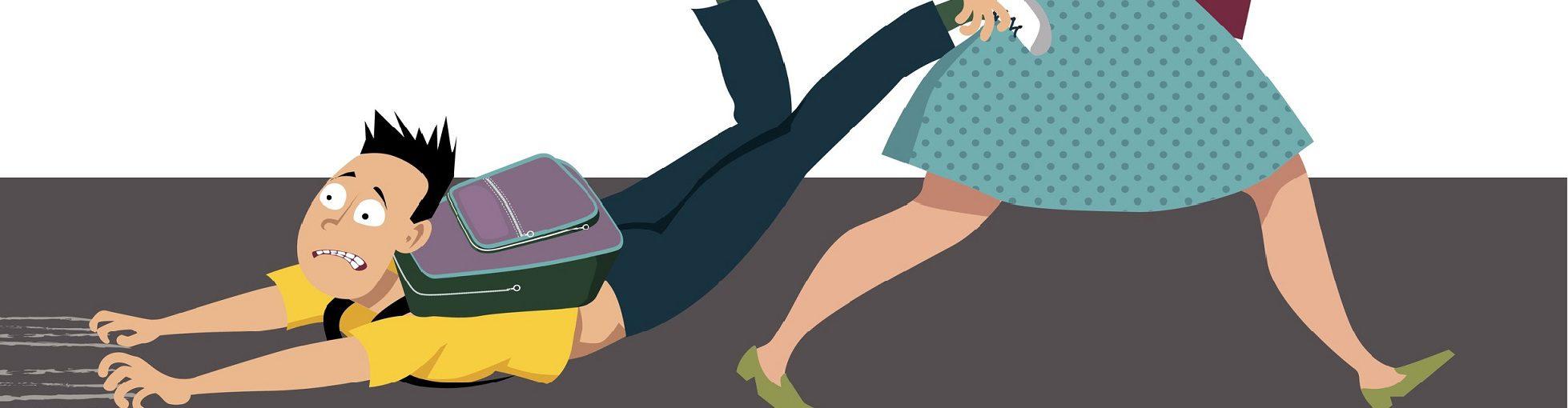
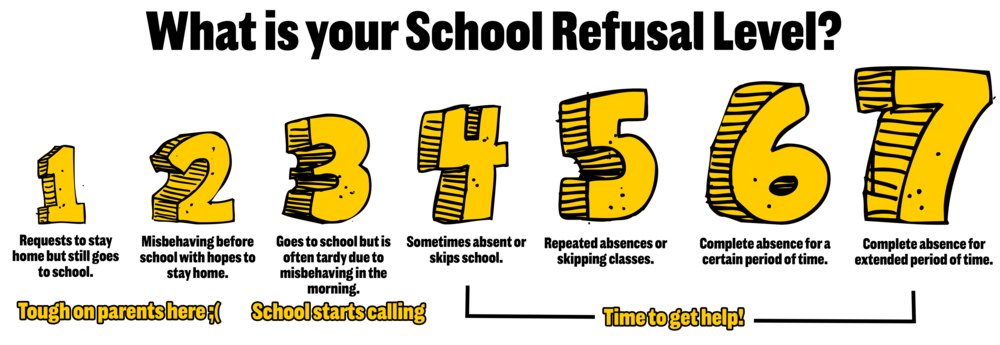
School refusal is, as the name suggests, the refusal by a child to go to school. Some will get as far as the school gate and then be unable to go in; others can’t even leave the house.
‘School refusal isn’t just not wanting to go to school; it’s an extreme form of anxiety that debilitates the child,’ explains Kay Mawson, founder of School Refusal Support Services.
‘The term “school refusal” implies a choice, but children are no more able to go into school than you or I would be to jump into a pit of spiders.’
School refusal affects around one per cent of children. It’s more common in boys, and tends to peak between ages five and six, and 11 and 12.
Symptoms of school refusal
Children who are experiencing school refusal may demonstrate a number of different symptoms and behaviours, including:
- Refusal to go to school in the morning
- Leaving or running away from school during the school day
- Tantrums and outbursts, especially in the morning
- Threats to harm themselves if they’re made to go to school
- Physical symptoms like headaches, stomach aches, panic attacks and diarrhoea
- Extreme clinginess: not wanting to be alone in a room
- Sleep disturbances.
What are the causes?
Many children who experience school refusal have autism spectrum disorders (ASD), where anxieties and sensory issues contribute to their difficulties at school.
This anxiety itself triggers a fight or flight response where children attempt to conform to school life, but are unable to go in.
Children with mental health issues like anxiety often have difficulty going to school: 75 per cent of kids who suffer from separation anxiety refuse school.
‘We also see school refusal in children who’ve had a traumatic experience, such as losing a loved one,’ says Kay.
Sometimes, the school environment itself causes the problem. Children with autism or other ‘differences’ from their peers may be bullied, leading to an understandable fear of school.
It’s also more common when children start school, and again when they’re transitioning to secondary school, but it can manifest at any stage.
For further information, please click on the following links:
https://www.theschoolrun.com/coping-with-school-refusal
https://psychiatry-uk.com/school-refusal-can-i-help-child/
https://childmind.org/article/when-kids-refuse-to-go-to-school/